Apex Deck Builders Austin: Custom Deck Installation Services for Backyards
The Ultimate Guide to Deck Maintenance: Keep Your Investment in Top Shape
Preserving a deck is essential for preserving its beauty and functionality. Regular upkeep can avoid major deterioration and expensive fixes. Property owners often overlook minor issues that, if handled quickly, can boost the total value of their real estate. This guide provides important information on upkeep, evaluations, and picking the correct sealant products. Knowing the distinct demands of different decking surfaces is critical. What precise actions are necessary to keep a deck in top-notch condition?
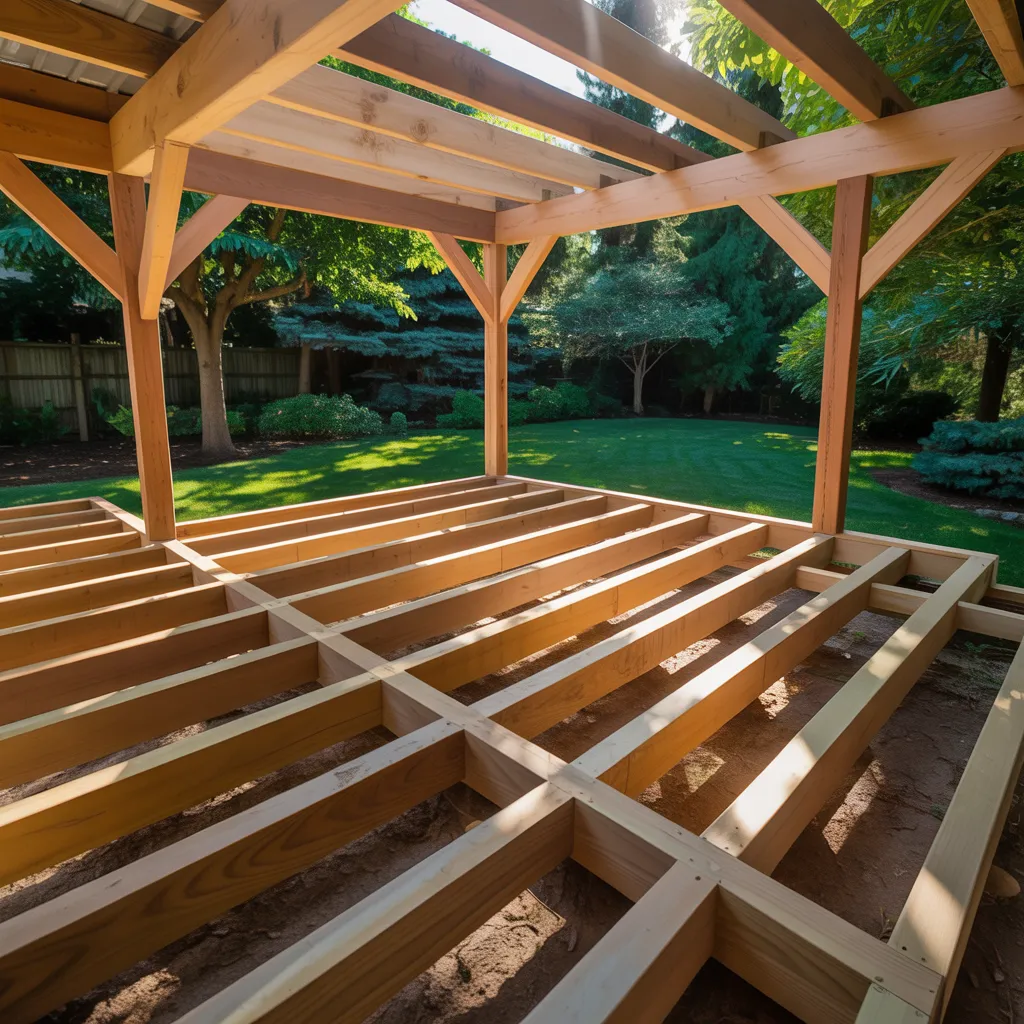
Critical Deck Upkeep: Understanding Its Value and Taking the First Steps
When homeowners neglect deck maintenance, they expose themselves to substantial degradation that can cause costly restoration work. Consistent maintenance is necessary to extend the life of a deck and preserve its visual appeal. Over time, exposure to the elements can cause wood to warp, rot, or develop mold, compromising structural integrity. Furthermore, neglecting to resolve small concerns in a timely manner can develop into serious complications requiring significant repairs or full replacement.
As a first step, homeowners need to develop a consistent maintenance routine that includes inspecting the deck for indications of wear and aging. Basic duties, such as removing debris and inspecting for loose boards, can avoid more significant problems. Using protective finishes and sealants can also enhance durability against weather conditions. By focusing on deck upkeep, homeowners not only protect their investment but also establish a welcoming outdoor area for family and friends to enjoy.
Deck Cleaning Made Easy: A Step-by-Step Guide
A comprehensive cleaning of the deck is necessary for proper upkeep and extended lifespan. As a first step, the space should be free of furniture and debris to allow convenient access to all areas. Following this, a broom or leaf blower should be utilized to clear away leaves, dirt, and dust. After that, a blend of warm water and a compatible deck cleaner ought to be administered, either manually or using a pressure washer adjusted to a low setting to minimize the risk of damage.
Using a stiff-bristled brush helps to lift tough stains and grime. Following a thorough scrub, it is important to rinse the deck with clean water to clear away any leftover cleaning solution. For the finest outcome, the deck must be given adequate time to dry fully. This approach not only elevates the deck's overall appearance but also prepares it for any necessary treatments in the future, ensuring the wood remains protected and beautiful.
Deck Upkeep: Selecting the Best Sealant
After cleaning the deck thoroughly, picking the correct sealant plays a vital role in preserving its condition and look. Several sealant varieties can be found, including film-forming, penetrating, and surface alternatives. Penetrating sealants work by seeping deep into the wood, offering thorough defense against moisture damage, while surface sealants create a protective layer that protects against UV exposure and deterioration.
When choosing a sealant, elements such as climate, wood type, and desired finish should be taken into account. For instance, softer woods may demand a more flexible sealant to handle expansion and contraction. Additionally, the lifespan and maintenance demands of each sealant type can affect the choice. Some sealants require reapplication every few years, whereas others provide longer-lasting protection. Ultimately, selecting the right sealant not only boosts the visual appeal of the deck but also increases its durability, ensuring that the investment remains valuable for years to come.
Identifying and Fixing Common Deck Problems
Homeowners with decks frequently face a variety of recurring issues that can compromise both safety and aesthetics. A common problem is wood decay, which occurs due to prolonged exposure to moisture. Spotting deteriorated sections during routine checks enables prompt action; swapping out compromised planks is essential for preserving overall stability.
Another common concern is loose or squeaky boards, commonly stemming from general deterioration. Securing screws or swapping additional info out fasteners can address these problems, boosting comfort and overall safety. Moreover, over time cracks and splinters can emerge, posing a risk of injury. Sanding rough areas and applying a suitable sealant can mitigate these risks.
In addition, mold and mildew development can compromise a deck's appearance. Frequent cleaning with the right treatments will maintain pristine surfaces. By actively detecting and resolving these problems, deck owners can guarantee the longevity and visual appeal of their outdoor spaces.
Important Factors for Seasonal Deck Care
Seasonal deck upkeep demands close consideration to protect against weather-induced deterioration and to preserve the deck's structural quality. Establishing a regular cleaning and sealing schedule is essential for protecting the surface and extending its lifespan. By keeping these aspects in mind, property owners can ensure their decks remain safe and visually appealing throughout the year.
Preventing Weather-Related Damage
As seasonal weather patterns shift over the course of the year, property owners need to implement protective measures to shield their decks from various forms of damage. Throughout winter, accumulated snow and ice may cause moisture-related concerns, which means effective drainage and regular snow removal are critical. In the spring season, excessive rainfall can cause wood to expand or warp; as a result, maintaining clear gutters assists in redirecting water away from the structure. Prolonged summer sun exposure may cause surfaces to fade and develop cracks, which makes it sensible to explore shading solutions including umbrellas or canopies. Throughout autumn, leaves that collect on the deck can hold moisture and promote mold formation; regular cleaning is vital. By proactively managing these seasonal concerns, homeowners can greatly extend their deck's lifespan and maintain its aesthetic appeal.
Cleaning and Sealing Program
Maintaining a deck's integrity involves more than just weather-related damage prevention; consistent cleaning and sealing form the foundation of a thorough maintenance approach. Shifting seasons call for a structured cleaning routine to eliminate dirt, mold, and mildew, all of which can degrade the deck's surface. Typically, thorough cleaning should occur in spring and fall, utilizing a gentle cleanser and a power washer for best results.
Beyond cleaning sealing protects the wood from moisture and sun damage. Sealing is typically recommended every two to three years, based on the deck's exposure to weather conditions. Homeowners should monitor the deck's condition; indications of wear may require more regular sealing. By sticking to this routine, the durability and visual appeal of the deck can be greatly increased.
Deck Care: Essential Differences Between Wood and Composite Materials
Understanding the key variations between wood and composite decking is vital for successful upkeep and durability. Wood decking, while visually appealing, necessitates regular attention, including coating and sealing to guard against water and ultraviolet damage. Over time, wood is known to splinter and warp, requiring replacements or repairs.
On the other hand, composite decking is made from a blend of wood fibers and plastic, delivering superior resistance to weather and pests. This type of decking does not need staining or sealing, significantly minimizing maintenance demands. That said, it might still require periodic cleaning to prevent mold and mildew buildup.
Whereas wood can be sanded to fix imperfections, composite decking is unable to be refinished in the same fashion. Every type comes with its own maintenance requirements, making it important for homeowners to understand these differences to make certain their deck maintains its best condition for years to come.
Five Essential Tips to Prolong Your Deck's Lifespan
Durability is a primary consideration for every deck owner, as a thoroughly maintained deck not only elevates the outdoor experience but also preserves the value of the investment. To maximize a deck's longevity, consistent cleaning is critical; clearing away dirt, debris, and mold prevents deterioration. Furthermore, applying sealant or stain every few years forms a strong shield against harsh moisture and damaging UV rays.
Inspecting the deck routinely for evidence of damage, such as unstable boards or oxidized hardware, facilitates early repairs, stopping additional damage. It is also advisable to keep plants and furniture off the deck's surface to prevent moisture buildup, which can cause rotting. In addition, installing adequate drainage systems confirms that moisture does not collect, protecting the structure beneath. By applying these five key guidelines, deck owners can greatly extend the life of their outdoor investment.
Frequently Asked Questions
How Often Should I Inspect My Deck for Damage?
Decks should be inspected a minimum of two times per year, ideally in spring and fall. Consistent evaluations for damage, wear, and problems caused by moisture can help maintain structural integrity and prolong the lifespan of the deck.
Is It Possible to Paint Over a Sealed Deck?
It is possible to paint over a sealed deck, but it does require adequate preparation. The surface must be thoroughly cleaned and lightly sanded to guarantee adhesion. Compatible products are essential for achieving long-lasting results.
What Is the Best Season for Deck Maintenance?
The best time for deck maintenance is early fall or spring. In these seasons, temperatures are pleasant, lowering the likelihood of severe weather disruptions, and permitting efficient cleaning, sealing, and painting without challenging weather factors.
Are Environmentally Friendly Deck Cleaning Solutions Out There?
Yes, there are various eco-friendly deck cleaning solutions to choose from, such as biodegradable commercial cleaners, vinegar, and baking soda. These options are effective at removing grime and mildew while reducing the impact on the environment and ensuring the safety of local flora and fauna.
How Do I Enhance My Deck's Drainage System?
To optimize deck drainage, ensure proper slope away from the house, set up drainage channels, clean out gutters, and explore permeable materials. Routine upkeep, such as cleaning debris, additionally promotes water flow and helps avoid pooling.